Three women in red caps hand-sorting cherries on a raised bed
From the source

Rwanda

Our Rwanda coffees come from the Abateraninkunga ba Sholi Cooperative, known simply as Sholi, in Muhanga District. Located in the center of the country between Kigali and Lake Kivu, Sholi brings together smallholder growers whose work extends from coffee production to community health. We have bought coffee from the cooperative over many harvests.

Altitude
~1,300 – 2,000+ m
Peak harvest
Apr–Jul
Varieties
Bourbon types, some Typica
Process
~60% exported fully washed
With Bird Rock
Sholi, many harvests

Nothing from Rwanda is roasting right now.

Who we buy from

The farms, families and cooperatives behind our Rwanda coffees.

Sholi: Mutual Assistance

Established in 2008, Sholi takes its name from the words for “Mutual Assistance.” It grew out of Kundwa, a women’s association whose name means “love” in Kinyarwanda. Nearly half of the cooperative’s smallholder members are women, including two of its five board members.

Read moreShow less

In 2016, Sholi received a grant to build a community center and a regional health center. The nearest larger health facility is more than 18 kilometres away on poor roads. The new center provides blood tests, treatment for malaria, parasites and respiratory infections, and basic first aid.
The coffees we buy

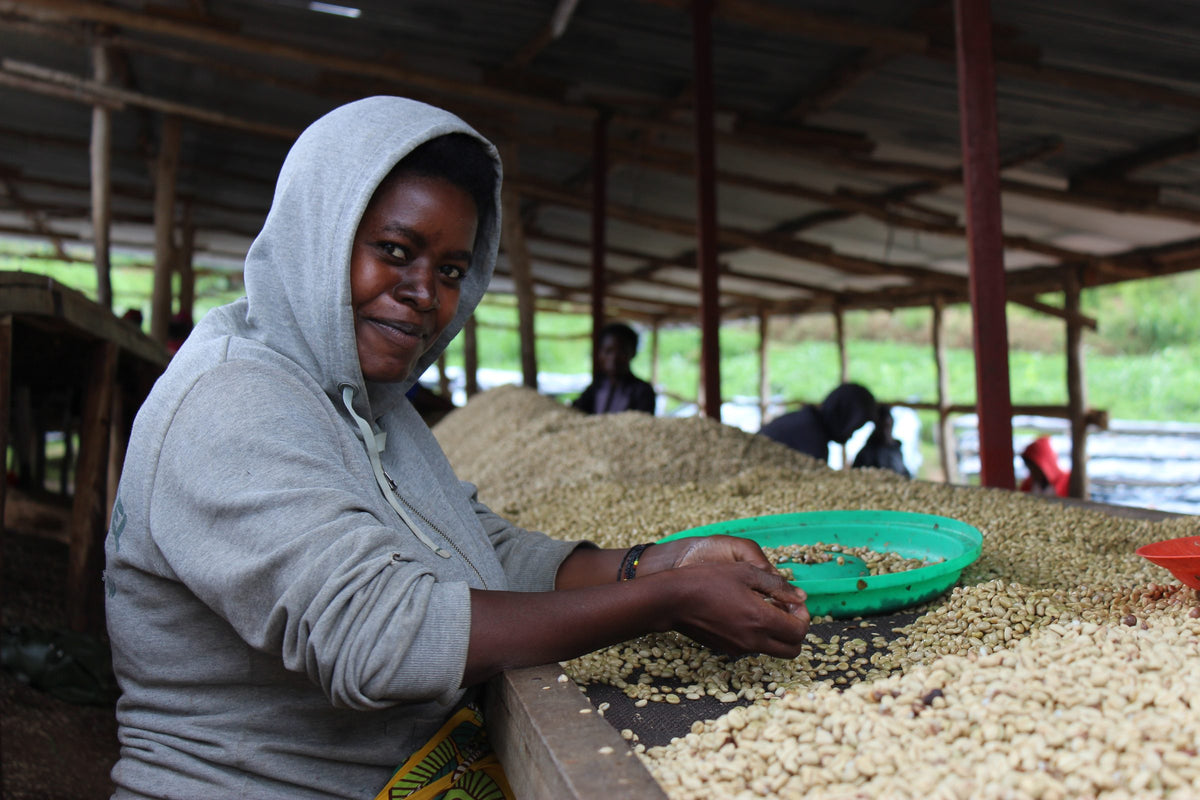
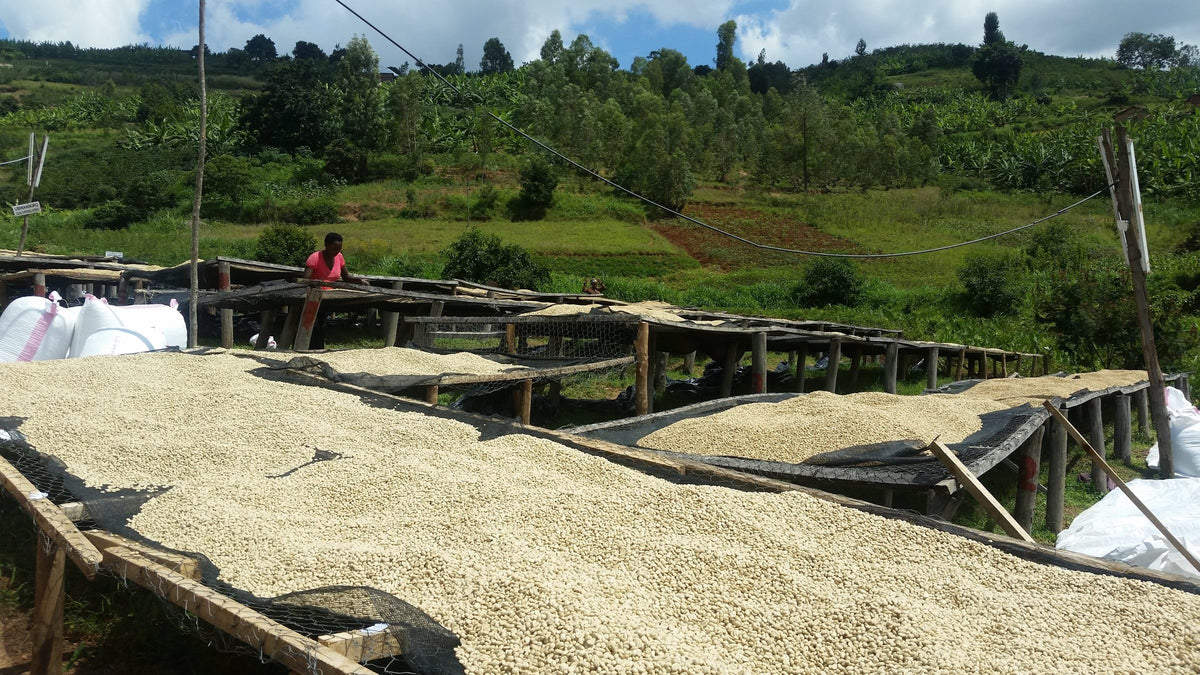
Sholi’s members grow Bourbon at 1,800 to 2,000 metres above sea level and produce both washed and natural coffees, dried on raised beds. Our coffees from the cooperative have included a natural Bourbon called SHOLI and a washed Sholi Bourbon.

Read moreShow less

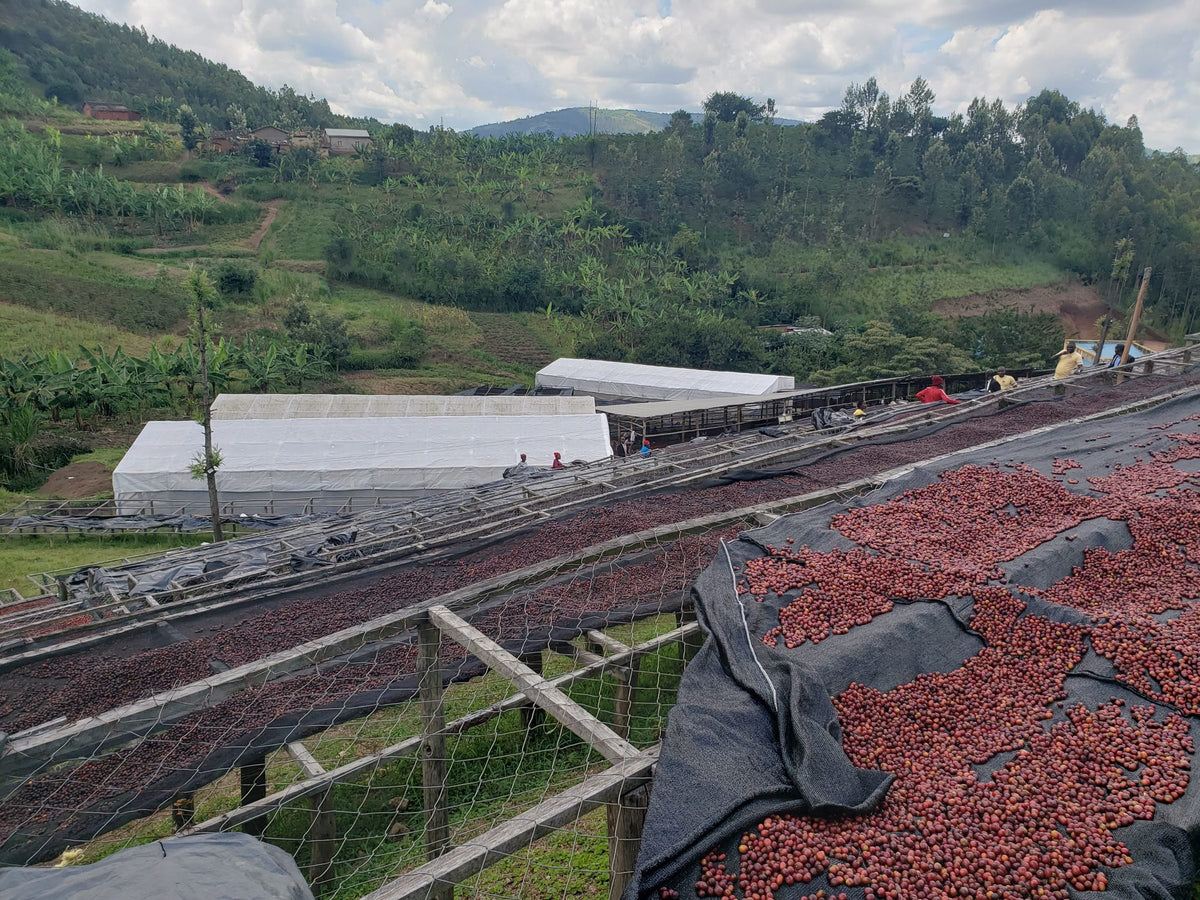
For washed coffee, the fruit is removed from the seed before drying. Natural coffee dries with the whole cherry intact. For its naturals, Sholi selects the highest-quality cherries arriving at its central washing station, then sorts them and separates them by density before laying them on drying tables. After three or four days, the cherries are covered for 24 to 30 hours before drying continues. Drying can take up to 30 to 35 days, depending on the weather.

Long raised beds of drying red cherries running across a hillside, with green terraced hills behind
Raised beds of drying parchment with green hills, banana trees and the station behind
Smiling woman in a grey hoodie sorting parchment with a green basin at the Sholi drying shed
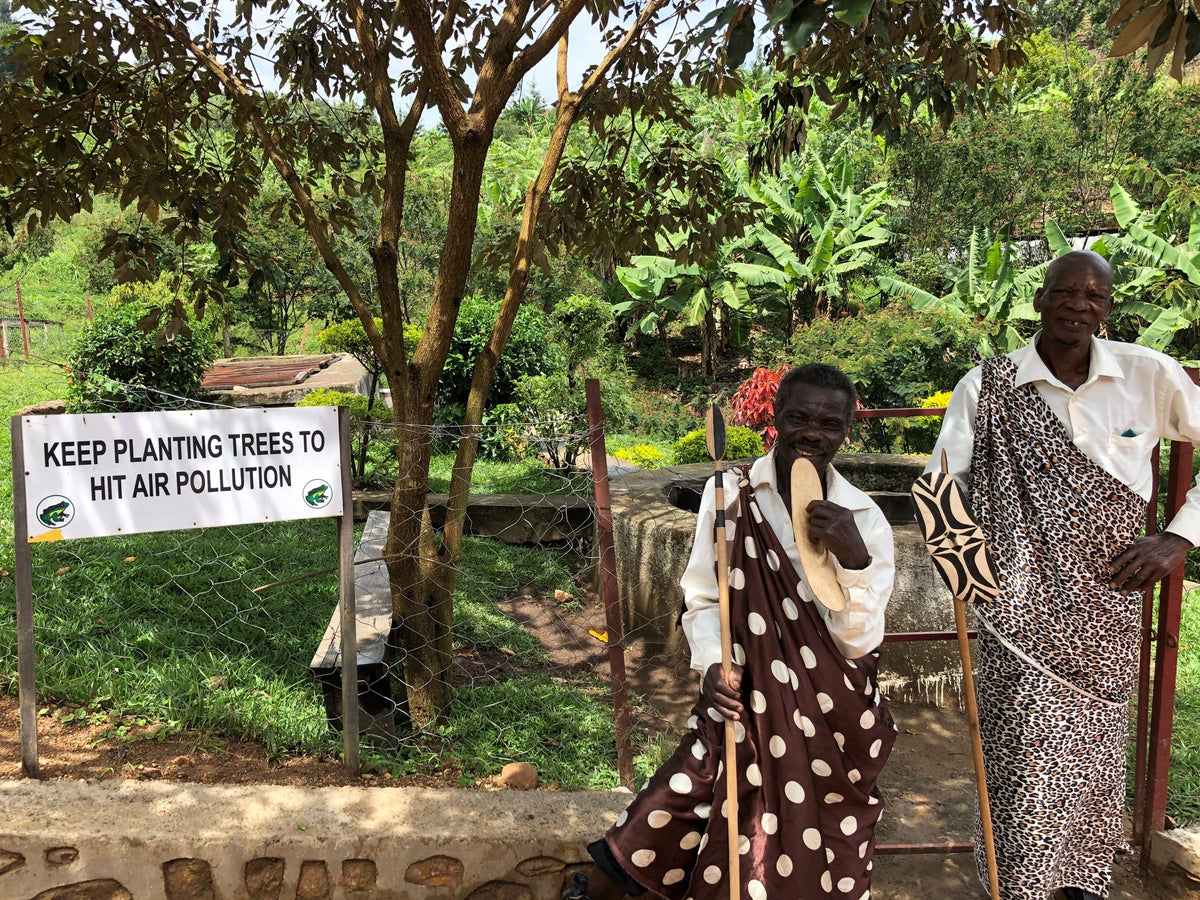
Two elders in traditional patterned wraps standing under trees beside a 'Keep planting trees' sign
“Coffee grows across most of Rwanda’s provinces, on steep hills and highland plateaus.”Rwanda

About the land

Growing coffee in Rwanda

Coffee grows across most of Rwanda’s provinces, on steep hills and highland plateaus. The west and south have the longest-established growing areas, including the shores of Lake Kivu and the southern highlands around Huye and Nyamagabe. In the north, coffee plots are especially small; eastern farms tend to be a little larger, on gentler, drier land.

Read moreShow less

Several hundred thousand smallholder households grow coffee, with the average household tending roughly 600 trees on about a quarter hectare. Nearly all the country’s coffee is arabica, mostly from Bourbon lineages, with some Typica. Many trees are more than 30 years old, and national programmes are replacing ageing trees with disease-resistant varieties.

Coffee grows from about 1,300 metres to a little over 2,000 metres above sea level. Altitude and rainy seasons shape the growing cycle. Rwanda normally has one main crop a year: flowering follows the return of rain in September, and picking begins in late February around Lake Kivu and early March elsewhere. The heaviest picking generally falls between April and July, with some northern harvests continuing into August.

A brief history

German missionaries brought coffee to Rwanda around the turn of the twentieth century. Under Belgian administration, coffee growing became compulsory in 1931. Planting was enforced through chiefs, tying rural families to coffee as a cash crop.

Read moreShow less

After independence in 1962, coffee became the backbone of the economy. Dependence on exports left growers exposed when world prices collapsed in 1989. The 1994 genocide against the Tutsi shattered rural communities and infrastructure; by the late 1990s, the coffee sector was barely functioning.

In 2002, Rwanda adopted a strategy that put quality ahead of volume. Washing stations expanded, helping growers earn more and creating rural jobs. In 2008, Rwanda became the first African country to host the Cup of Excellence competition, drawing international buyers to its best lots.

From the journal

  • Women's History Month 2025

    Women's History Month 2025

    Celebrating Women’s History Month   Each year, we celebrate Women’s History Month by highlighting some of the incredible

    Women's History Month 2025

    Celebrating Women’s History Month   Each year, we celebrate Women’s History Month by highlighting some of the incredible

  • Sholi Coop & Luz Marina - Women's History Month Feature

    Sholi Coop & Luz Marina - Women's History Month...

    Our next Women's History Month coffees (Sholi Natural and Costa Rica Santa Elena) come to us from Atlas Coffee Importers

    Sholi Coop & Luz Marina - Women's History Month...

    Our next Women's History Month coffees (Sholi Natural and Costa Rica Santa Elena) come to us from Atlas Coffee Importers

  • Women's History Month

    Women's History Month

    As Women's History Month unfolds, Bird Rock Coffee Roasters is thrilled to continue our tradition of highlighting the re

    Women's History Month

    As Women's History Month unfolds, Bird Rock Coffee Roasters is thrilled to continue our tradition of highlighting the re