


Las Terrazas, Guatemala
- Rainier Cherry
- Sugar Cane
- Pear In Syrup
- Process
- Washed
- Variety
- San Ramon, Caturra, Bourbon

Our Guatemalan coffees come from families we have worked with across many harvests: the Diaz family in Santa Rosa, the de la Cerda family near Palencia, and the Palacios and Vides families in Huehuetenango. Their farms span volcanic slopes and remote highlands, bringing different growing conditions, varieties, and approaches to processing to our lineup.


The farms, families and cooperatives behind our Guatemala coffees.
Bird Rock began working with Finca Santa Ana in 2010, becoming one of the farm’s first two roasting partners. Fernando “Nando” Diaz now leads the farm, which his father, Roberto, established as a coffee farm in 1983.
In 2015, we shared an investment with Nando to plant about fifteen varieties in an experimental garden. Gesha and SL-28 thrived, leading to larger plantings and eventually our Gesha Santa Ana, grown at 1,900–2,000 meters and processed as an anaerobic natural.
Experimentation continues to shape Nando’s work, from washed Pacamara to his Pineapple Process, which introduces a fermented pineapple culture during coffee fermentation. Santa Ana also maintains a forest reserve, composts coffee pulp, and operates a certified day care for harvest workers’ children.
Juan Diego de la Cerda’s family has farmed El Socorro for generations. Coffee occupies only part of the property; much of the land remains a reserve for migratory birds and native species.
Juan Diego grows varieties including Bourbon, Java, Maracaturra, Pacamara, and Gesha, adapting drying methods to the farm’s high elevation and changing conditions. El Socorro has won Guatemala’s Cup of Excellence several times, and Bird Rock roasted its winning washed Gesha in 2020. We have also featured its washed Maracaturra, a cross between Maragogype and Caturra.
Four generations of the Palacios family have worked La Providencia since Javier Palacios bought it in 1954. Bourbon and Caturra grow beneath native shade trees on steep mountain slopes.
The family also preserves a small plot of Maragogype planted by Javier because it produced his favorite cup. Although those trees yield just 8–15 bags a year, they remain part of the farm’s story. Bird Rock has roasted La Providencia’s coffees across several harvests, in both light and dark roasts.
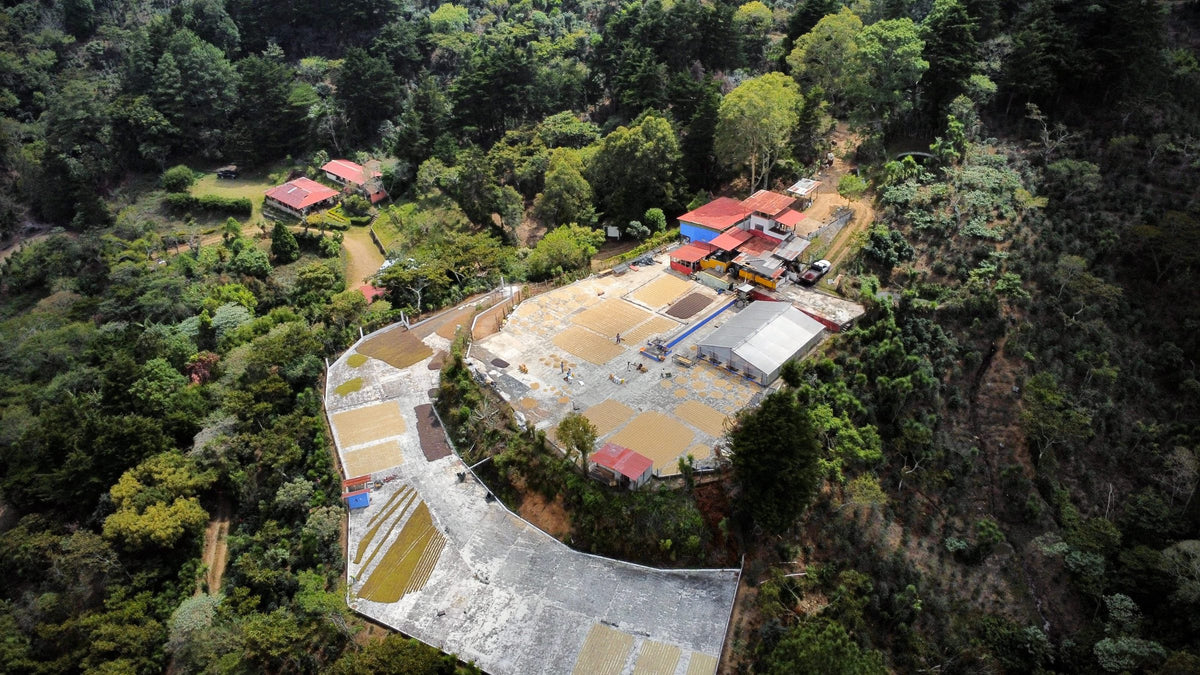
Renardo “Nayo” Ovalle Vides represents the third generation of a coffee-growing family whose roots include Finca La Bolsa, founded by his grandfather, Jorge Vides, in 1958.
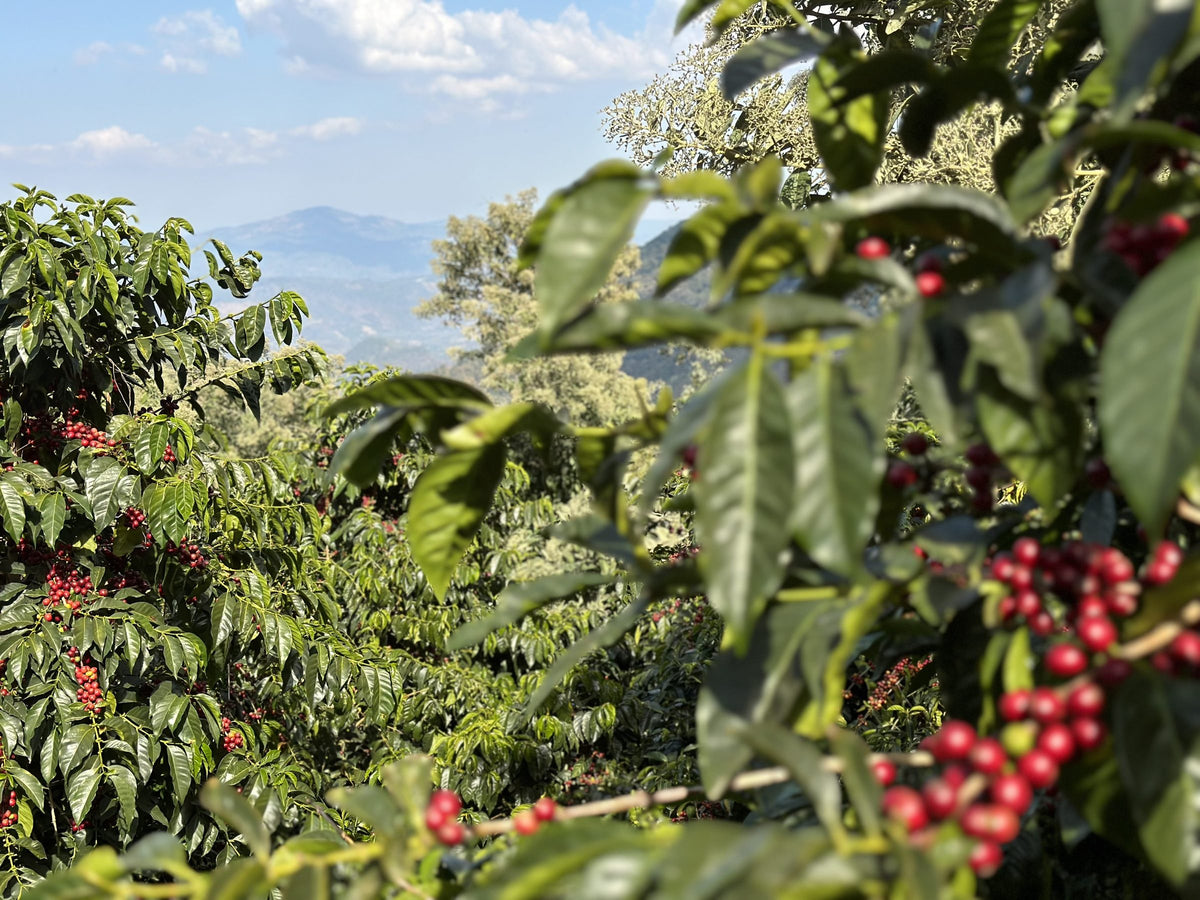
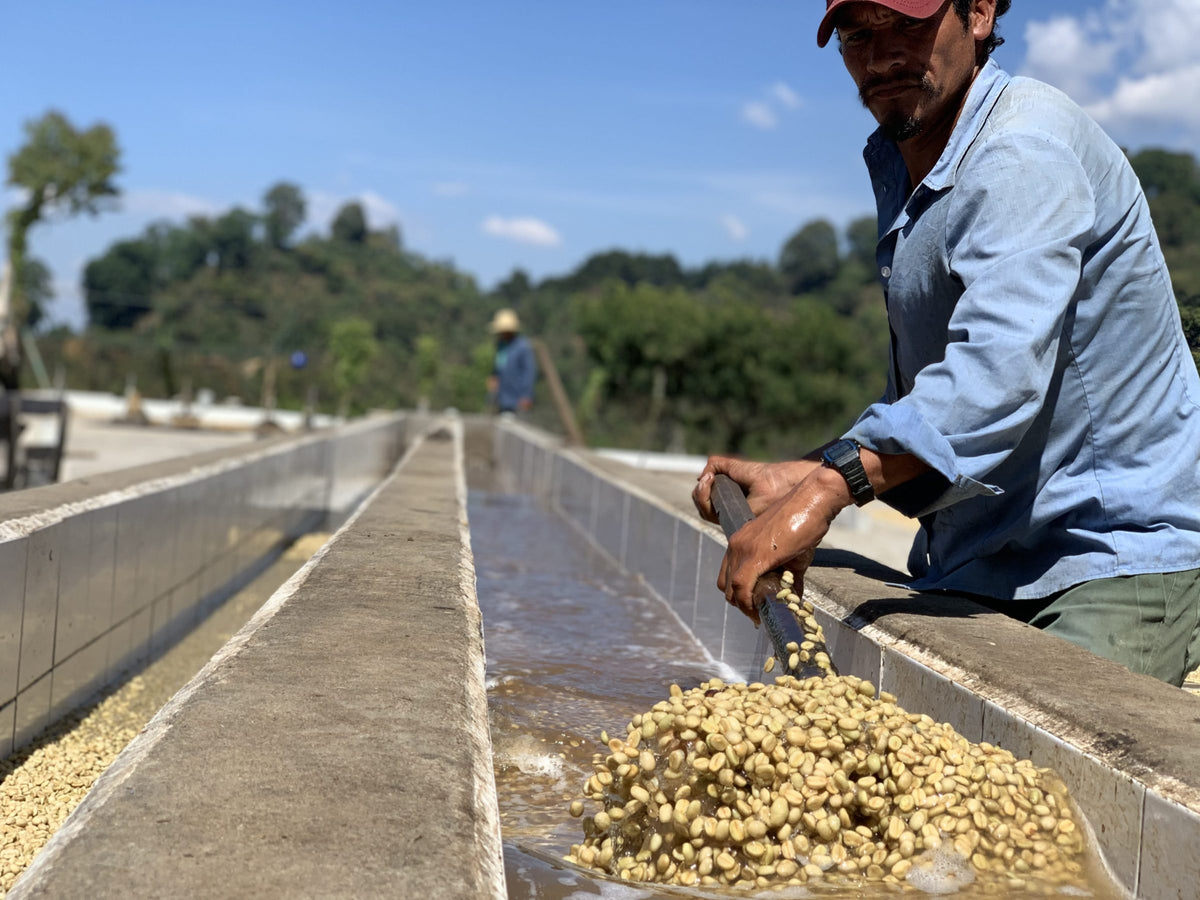
Bird Rock has bought washed coffees from the family’s Las Terrazas and Don Angel farms across several harvests. These high-elevation farms grow Bourbon, Caturra, and San Ramon. The family’s community programs include a farm school and day care, while protected forest helps conserve soil and shelter coffee trees from wind.
Alongside these family relationships, our Guatemala Fenix brings together washed Caturra, Catuaí, and Bourbon from smallholder farms in Huehuetenango.
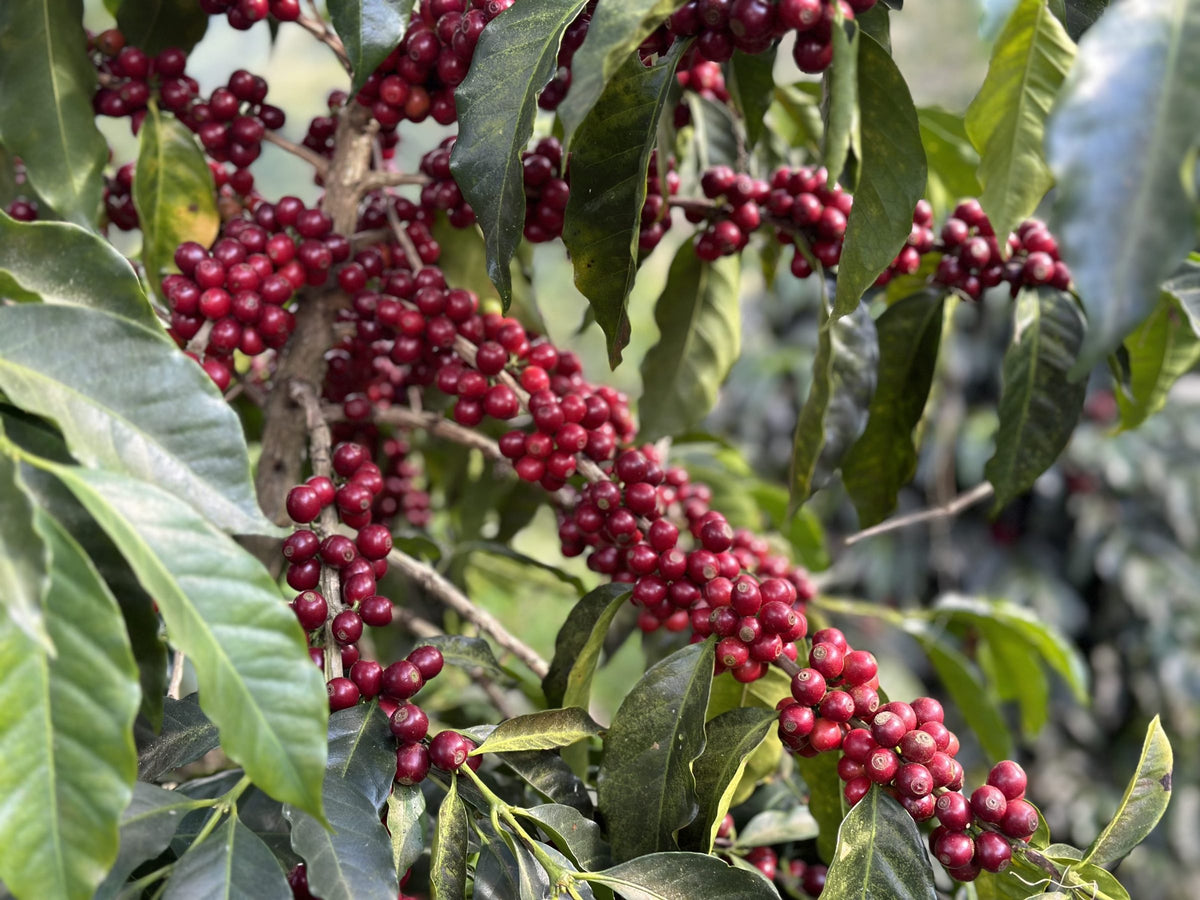
“The work of renewing farms and sustaining coffee-growing communities continues alongside the pursuit of exceptional coffee.”Guatemala
Guatemala’s coffee landscapes range from volcanic valleys to cool, cloud-covered hills. Elevation, rainfall, soil, and shade create distinct growing conditions across the country’s eight recognized coffee regions: Antigua, Acatenango Valley, Atitlán, Fraijanes, San Marcos, Huehuetenango, Cobán, and Nuevo Oriente.
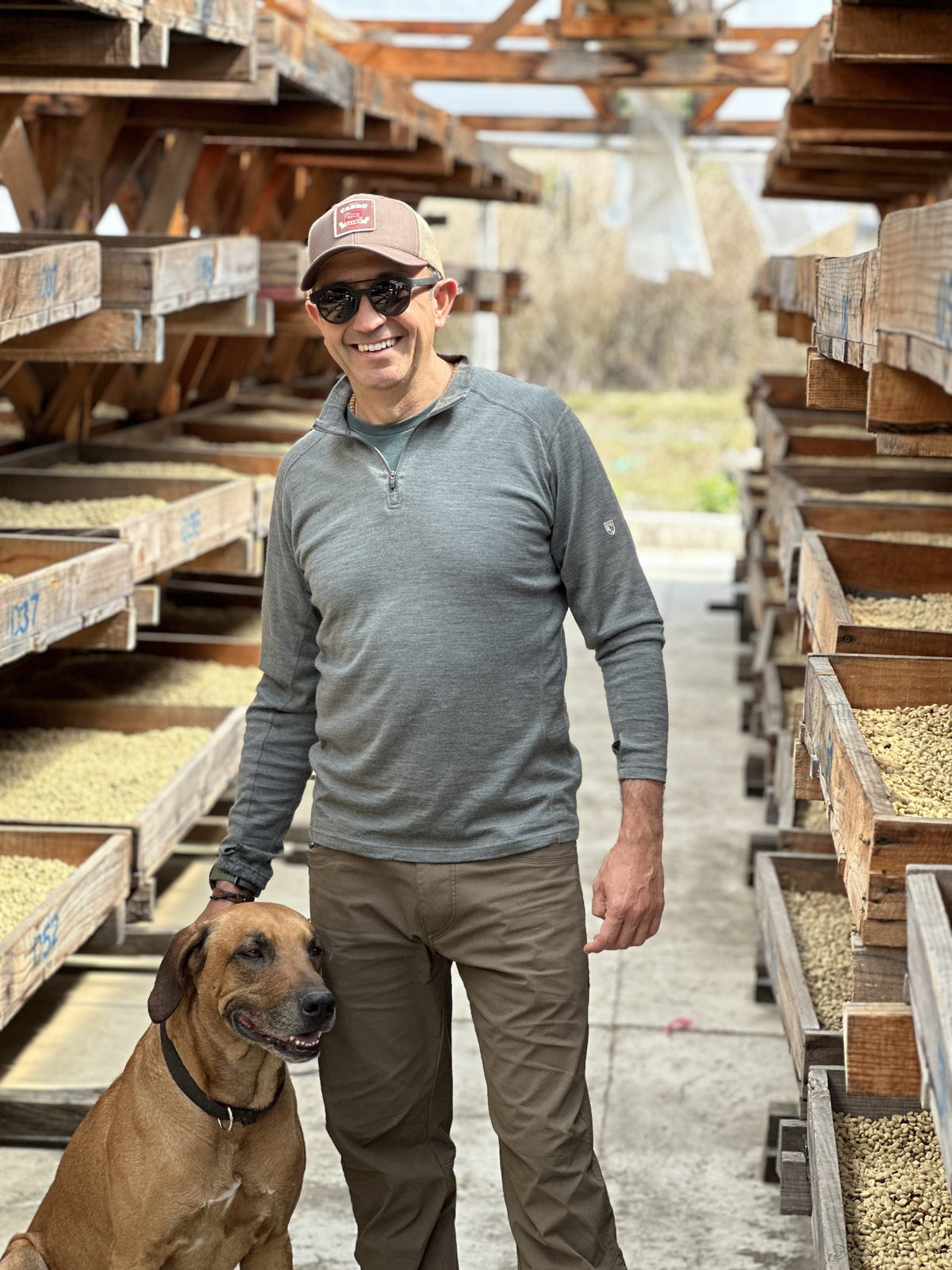
Those differences shape how producers farm and process their coffee. In dry, highland Huehuetenango, remote farms often process their own harvests. In rainy San Marcos, producers may begin drying coffee in the sun and finish in mechanical dryers.
Arabica dominates production. Bourbon and Caturra grow alongside Catuaí, Pache, and rust-tolerant varieties, while specialty farms cultivate varieties such as Gesha, Pacamara, Maracaturra, and Maragogype.
Guatemala has one main harvest each year. Lower farms begin first, while higher elevations ripen later; December through March is the core picking season across much of the country. Cherries ripen in waves and are picked by hand as they become ready.
Coffee became Guatemala’s leading export in the second half of the nineteenth century. Its expansion was closely tied to the transfer of communal land into private estates and laws that compelled rural people, many of them Indigenous Maya, to work on farms.
Land reform after the 1944 revolution attempted to redistribute idle estate land, but much of that reform was reversed following the U.S.-backed coup in 1954. The country’s long internal armed conflict ended with peace accords in 1996.
After international coffee export quotas ended in 1989, Guatemala increasingly competed on quality, developing the regional identities familiar today. More recently, coffee leaf rust, rising costs, and a warming climate have challenged growers. The work of renewing farms and sustaining coffee-growing communities continues alongside the pursuit of exceptional coffee.

Twenty Years, One Extraordinary Coffee: Gesha Santa Ana Twenty years is a milestone worth celebrating. It is an opportunity to look back at where we began, recognize the people who...
Twenty Years, One Extraordinary Coffee: Gesha Santa Ana Twenty years is a milestone worth celebrating. It is an opportunity to look back at where we began, recognize the people who...

What does it really take to produce exceptional coffee? During a firsthand origin trip to Guatemala, I experienced the journey from farm to export, meeting the people whose dedication, craftsmanship,...
What does it really take to produce exceptional coffee? During a firsthand origin trip to Guatemala, I experienced the journey from farm to export, meeting the people whose dedication, craftsmanship,...

At Bird Rock Coffee Roasters, we pride ourselves on working with some of the best coffee producers and farms around t
At Bird Rock Coffee Roasters, we pride ourselves on working with some of the best coffee producers and farms around t


