


Typica Rum Barrel, Ecuador
- Tropical Fruits
- Hibiscus
- Tiki Spices
- Process
- Natural | Rum Barrel
- Variety
- Typica

Our co-owners, Jeff and Maritza Taylor, first traveled to Ecuador in 2008. We have roasted small, carefully separated micro-lots from Loja, Zamora Chinchipe, Imbabura and Pichincha. Our purchases have included coffees from Juan Peña at Hacienda La Papaya, Fausto Romo and Nancy at Finca La Carolina, and small farms producing the Peñaherrera coffees.


The farms, families and cooperatives behind our Ecuador coffees.
Near Saraguro in Loja, Juan Peña grows coffee on an estate that has been in his family for five generations. A former rose grower, he began planting coffee in 2009. His 16 hectares in production sit at about 1,800 to 2,100 meters, with water from a waterfall above the estate irrigating every tree.
Juan’s nursery supports both the farm and its neighbors. He raises plants to renew older blocks and try new varieties, while neighbors and farm workers receive nursery space and seedlings to start plots of their own.
We keep coming back to Juan’s coffees. His processing experiments have given us several ways to explore his harvests, including washed, natural and anaerobic coffees, along with coffees aged in rum or oak barrels. Our past offerings have included Typica Washed, Typica Rum Barrel, Typica Natural Anaerobic and Gesha Natural.
Just north of Nanegal in Pichincha, Fausto Romo and his wife, Nancy, farm Finca La Carolina at about 1,300 meters. Fausto bought the land in 2000 and began with dairy cows. When milk prices collapsed, an uncle suggested growing coffee.
The five-hectare farm is now planted almost entirely with Sidra, alongside a little Gesha. For his washed Sidra, Fausto uses two days of fermentation in barrels open to the air, followed by depulping, another day of fermentation and washing. In Nanegal’s cool, cloudy conditions, drying on raised beds can take up to 30 days. We roasted a lot from the farm in 2026.
Peñaherrera is a source we return to again and again. These coffees come from small farms near Ibarra in Imbabura, at 1,700 to 1,900 meters. Earlier lots combined coffee from two nearby farms, one of them mostly native forest threaded with waterfalls and rivers. Our purchases have also included a washed blend of Bourbon, Caturra and Typica.
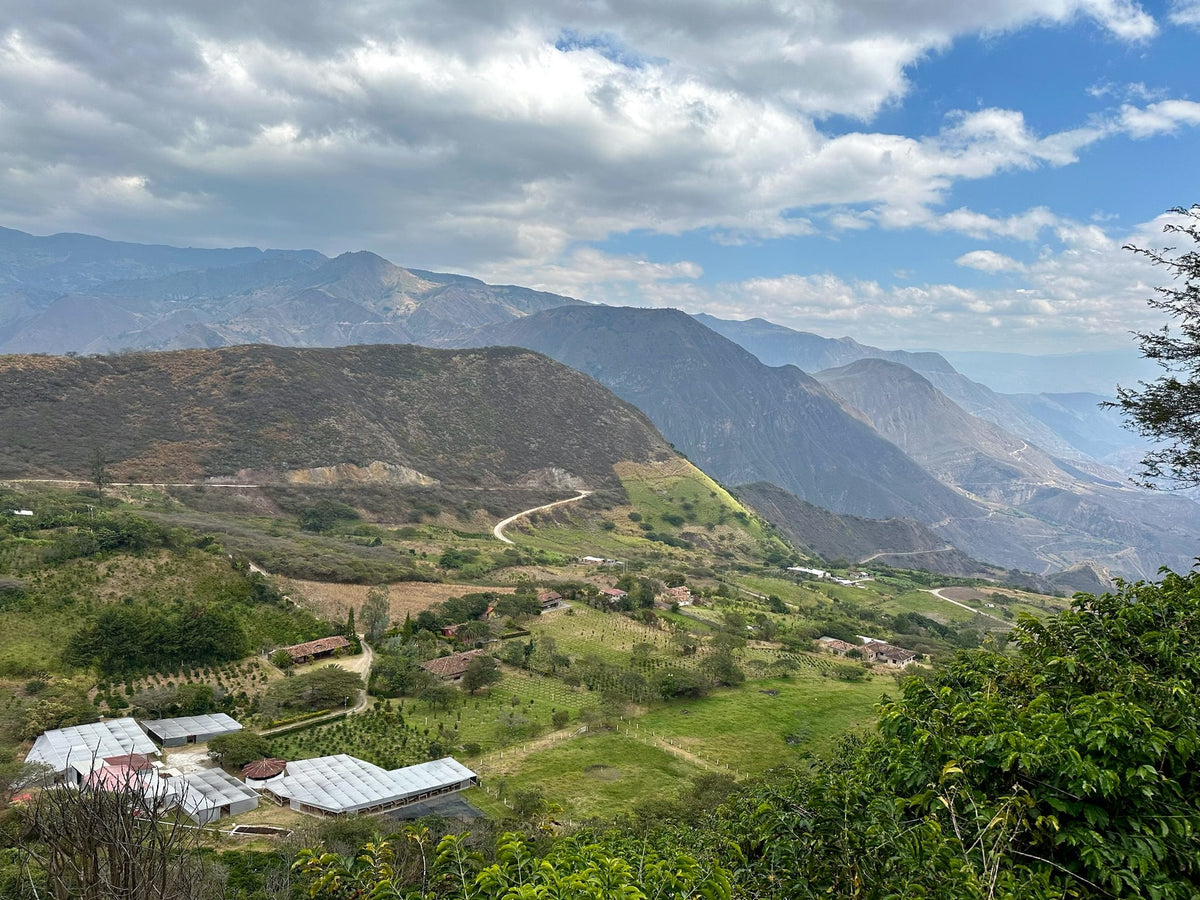
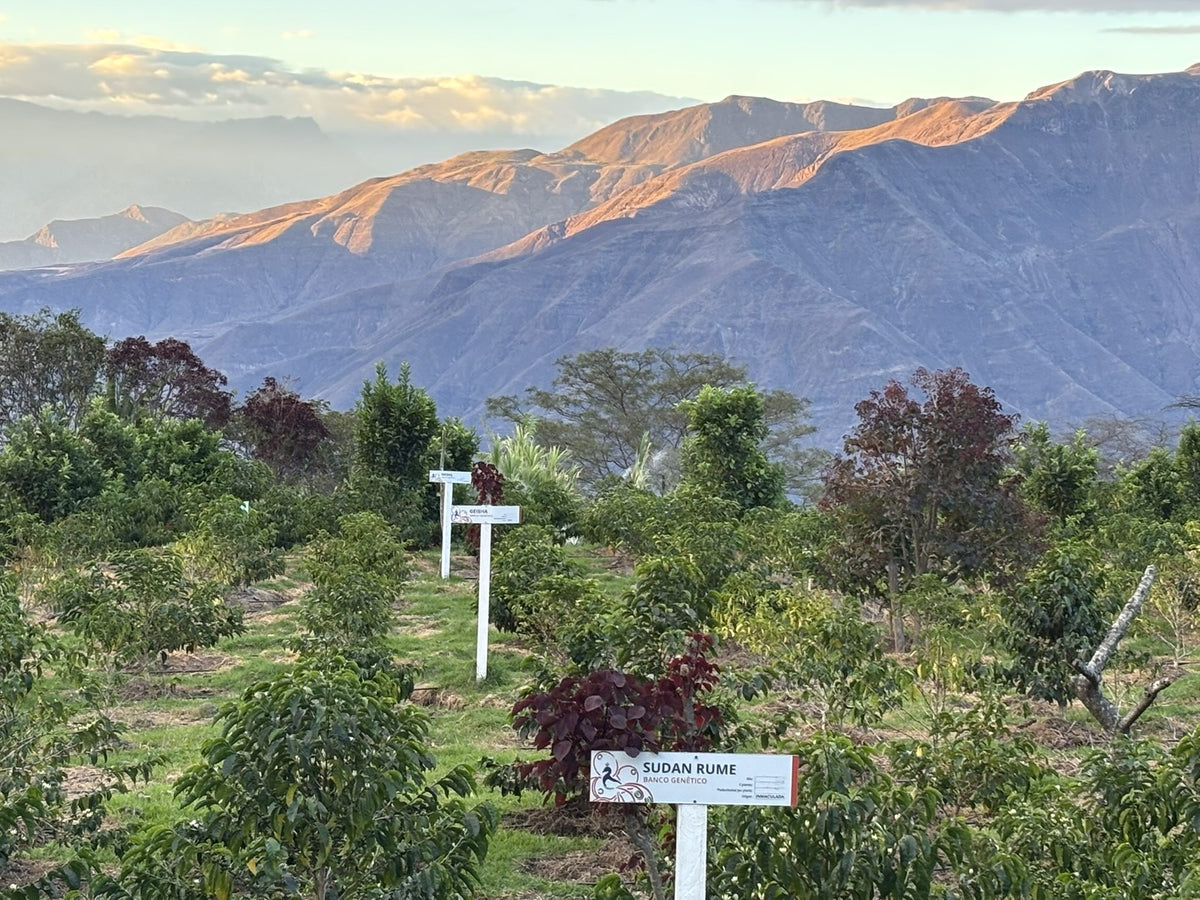
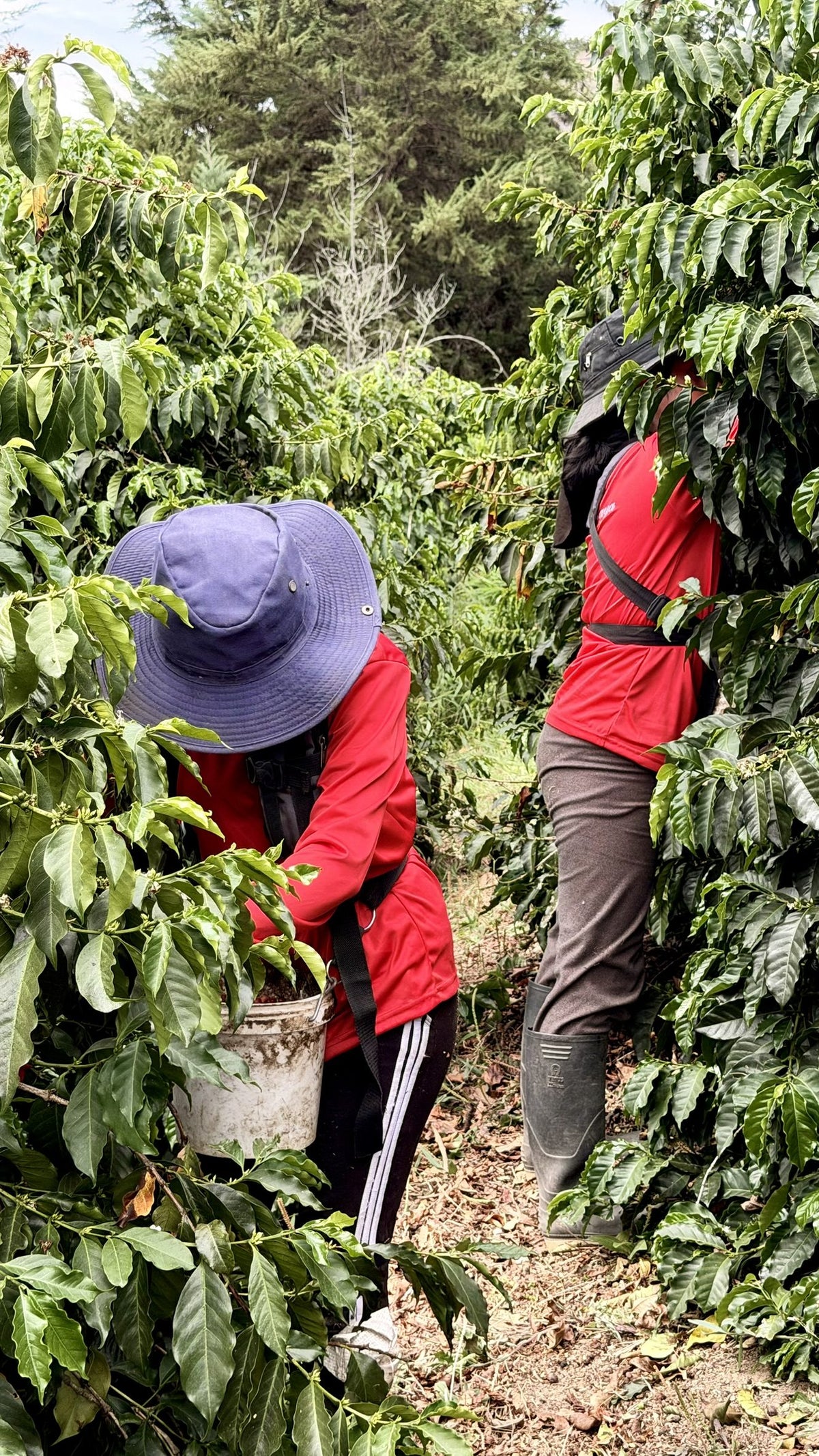
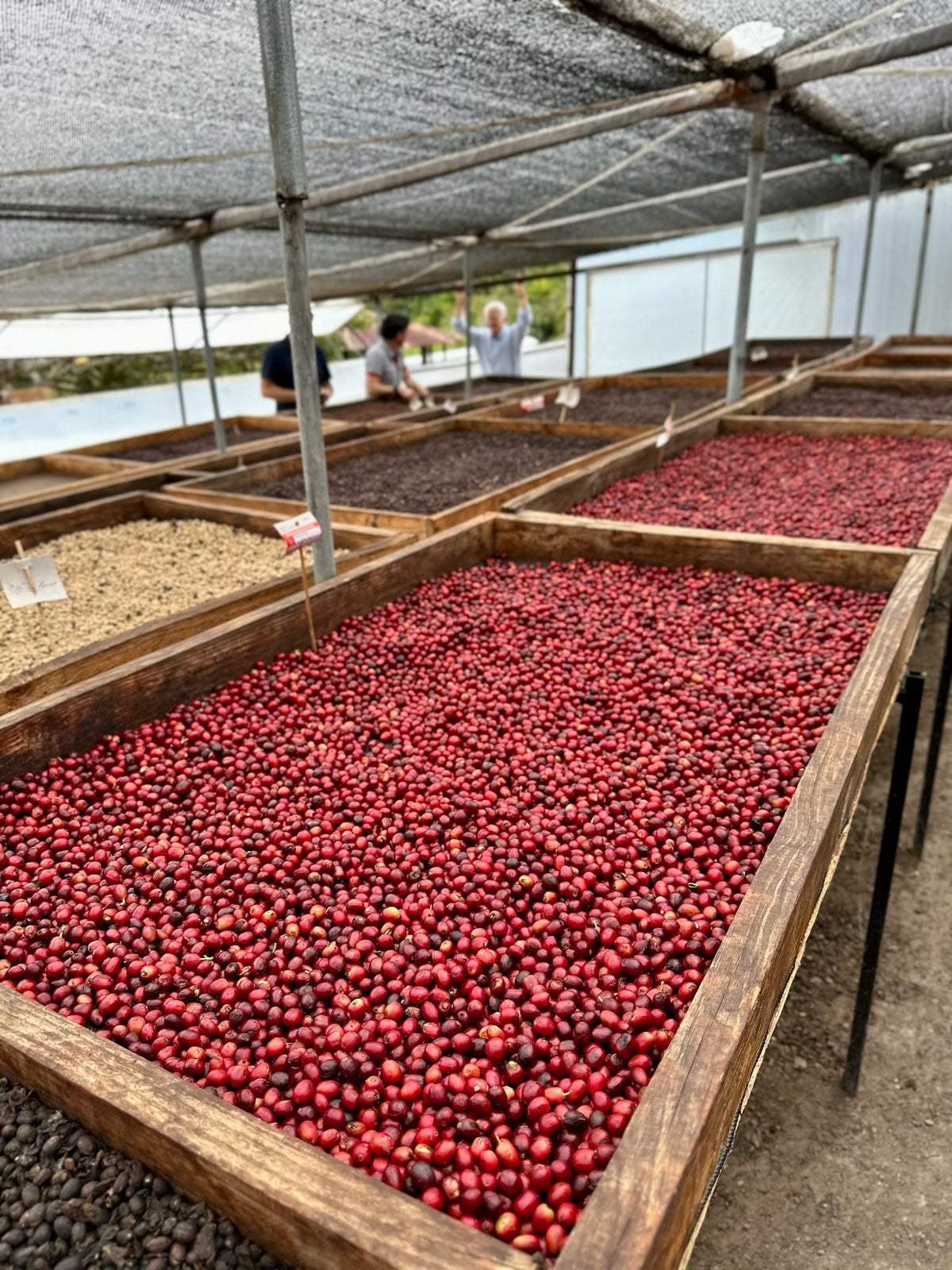
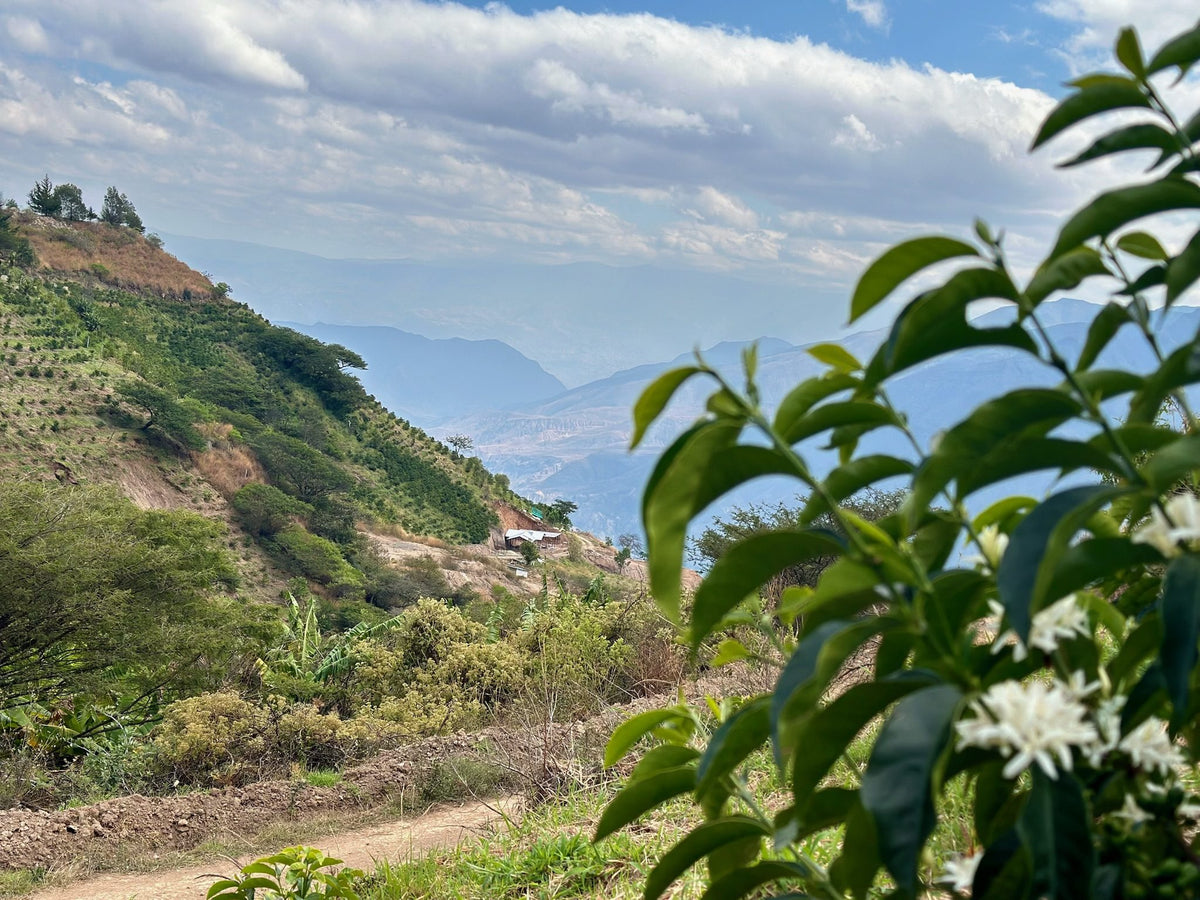
“Ecuador’s coffee landscape spans Pacific coastal hills, Andean slopes and valleys, Amazon lowlands and a few farms on the Galápagos Islands.”Ecuador
Ecuador’s coffee landscape spans Pacific coastal hills, Andean slopes and valleys, Amazon lowlands and a few farms on the Galápagos Islands. Most growers work small plots of one or two hectares.
Arabica grows on the coast and in the highlands, traditionally under shade trees in mixed agroforestry systems. Manabí remains a major coastal Arabica province. In the Andes, Loja and the highlands around Quito are centers of specialty production, with highland Arabica generally grown between about 1,000 and 2,000 meters.
Common farm varieties include Sarchimor, Catucai, Acawa and Caturra. Typica Mejorado, Sidra and Gesha feature among award-winning specialty lots. Growers use washed, honey and natural processing.
Robusta dominates the humid Amazon lowlands, where most of Ecuador’s coffee area is now found. Much of that crop supplies the domestic instant-coffee industry.
Arabica harvest timing varies by region. Nationally, most picking falls between May and September; around Nanegal, it stretches from August to December. In the Amazon, Robusta flowers through much of the year, and farmers pick ripe cherries roughly monthly.
Coffee has been recorded in Ecuador since 1860, first around Jipijapa. It became more important after the cacao boom ended in the early twentieth century, and production grew through the 1950s and 1960s, largely on small family farms. Settlers expanded Robusta planting in the Amazon from the 1970s.
Pests, falling prices after the international export-quota system collapsed in 1989, and the 1997–98 El Niño contributed to a steep decline. Aging plantations, disease, low yields and scarce credit added to growers’ difficulties.
As production shrank, Ecuador’s instant-coffee industry came to depend heavily on imported beans. Specialty coffee, meanwhile, has flourished since the 2010s, especially in Loja and around Quito. Ecuador held its first national Cup of Excellence competition in 2021.


